
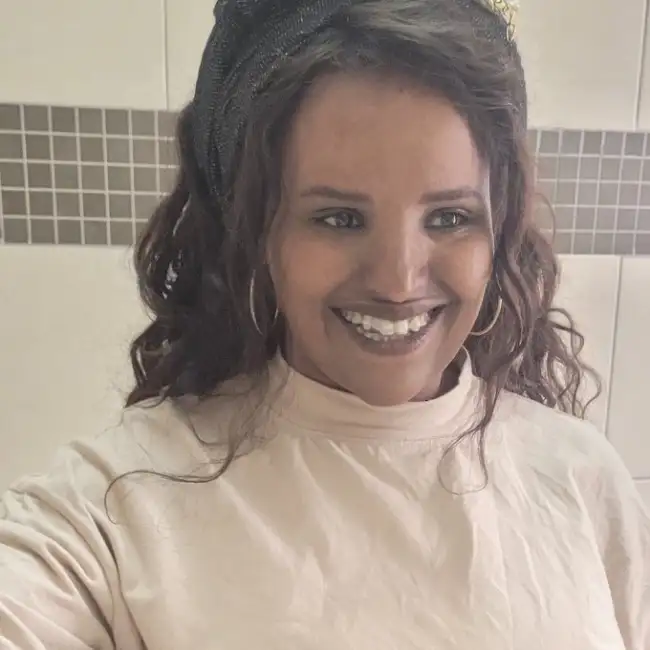
בת
35 • Haifa
Meet divorced and widowed Jewish singles and discover whether your interests, family commitments, location and hopes for the future could fit together.

Explore profiles by people who have indicated divorce or widowhood, and read what each person chooses to share about life today.
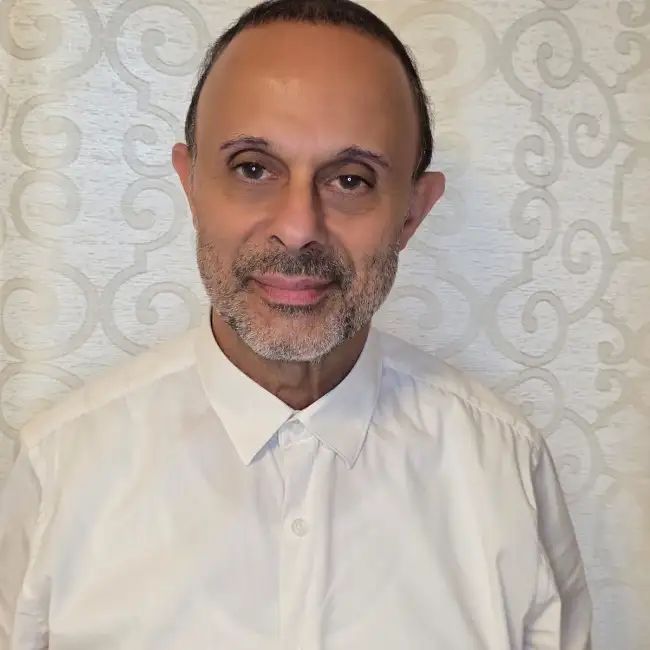



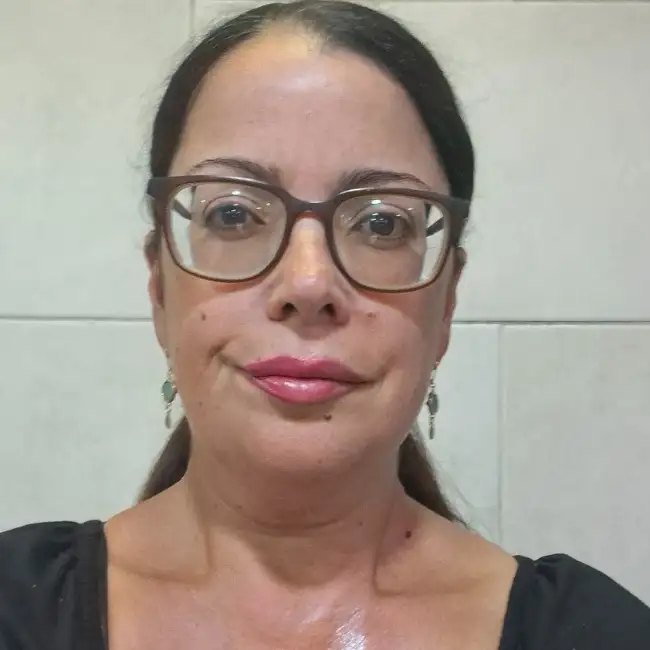


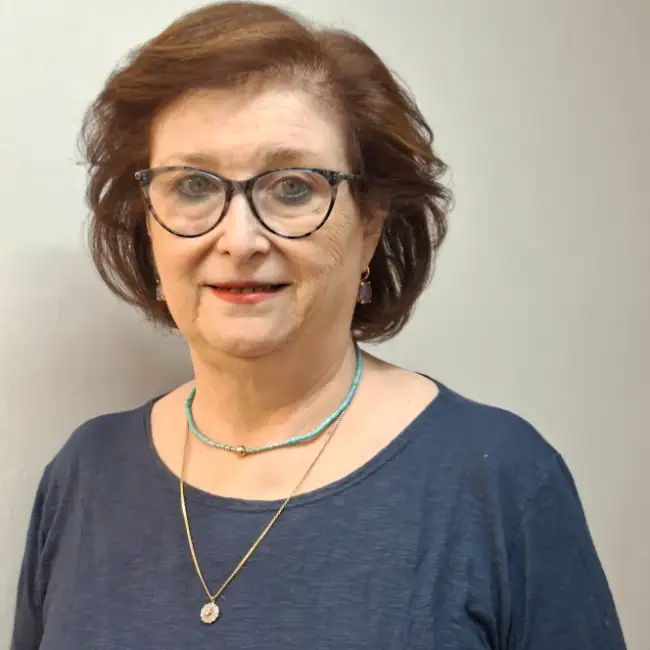

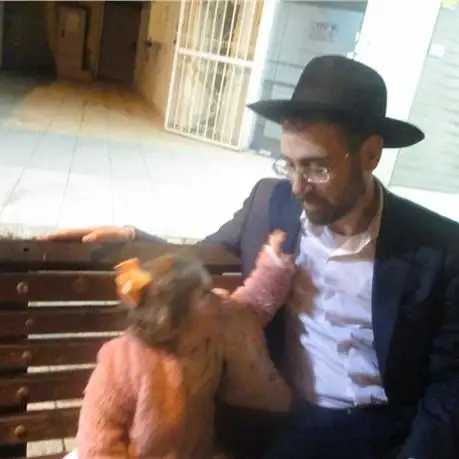

Compatibility after divorce or widowhood can depend on everyday life as much as shared interests.
Work, interests and established routines can help you understand where a new relationship may fit.
Be open about having children without expecting anyone to share identifying details immediately.
Think beyond kilometres: weekdays, travel and family commitments affect time together.
Marriage, living together or maintaining separate homes are different possibilities to explore.
Women use DatimDate free of charge. Men can purchase services under the terms shown on the site; the purchased period ends without automatic renewal, and an additional purchase requires a new decision.
Compatibility can involve schedules, children, community ties and family traditions that have developed over time.
Explain that you have children if relevant, while keeping names, schools and personal schedules private.
Divorce and widowhood are not identical experiences. Let each person tell their story in their own time.
Remarriage, a shared household and separate residences are possibilities to discuss rather than judge.
Two people need a practical way to meet, even when their intentions and values align.
Marital status is only one part of a person’s life. Shabbat, community and family values may shape compatibility too.
Age, marriage intentions and a person’s stage of life may all be relevant.
Work, family routines and Shabbat commitments can affect time for meeting.
Being honest does not mean explaining every detail of a previous relationship at once.
Discuss remarriage, a shared home or separate residences once mutual interest develops.
Children and relatives can be a valued part of the routine a new couple learns to navigate.
Keep addresses, children’s details, documents and financial information private when getting to know someone. Choose a public place for a first meeting.
There is no need to move immediately to personal calls or social media before trust develops.
An early request to transfer money is a reason to pause and check the situation.
Children’s details, home addresses, passwords and verification codes are not needed for an initial conversation.
Choose a convenient public venue and let someone you trust know about your first meeting.
Family, Shabbat, distance and intentions deserve thoughtful discussion without turning dating into an interview.
Divorced and widowed Jewish dating in Israel often means meeting someone while work, a home, family ties, community life and Shabbat routines are already part of the week. Some people are raising children; others are not. What matters is whether two individuals have the interest, availability and openness to make room for one another.
You do not need a complete plan for your future before sending a first message. Begin with a few practical questions: What kind of relationship are you hoping for? How much time can you spend getting to know someone? Is travelling between cities realistic? Which commitments are important to respect?
If a profile catches your attention, start with the life the person describes today. A shared interest, a favourite place or an ordinary Shabbat custom can open a conversation more naturally than a question about a previous marriage.
It helps to state your marital status accurately, but your profile need not become a summary of everything that happened before. Describe what makes your days meaningful, what you enjoy and what kind of partnership you would welcome now.
Too little detail: “Divorced, father of two, looking for a second chapter.”
More inviting: “I live near Jerusalem, work in education and enjoy hiking and cooking for Shabbat. I am a father of two, and I would love to meet someone who values family, conversation and a relationship we can build at a comfortable pace.”
The second example offers something specific to respond to while keeping private information private. Neither divorce nor widowhood should be the only thing a potential partner learns about you.
Having children can affect availability, travel and plans for the future, so it is best not to conceal this important part of life. At the same time, you do not need to give a stranger identifying details about children, their schools or precise schedules. A broad description is enough when you first meet.
As a relationship grows, you may begin to discuss how a new partner could eventually fit into family life. Introducing someone to children is a separate step from starting to date. Consider the stability of the relationship and the needs of the particular children involved rather than following a fixed timetable.
Adult children may also be part of Shabbat meals, holidays and family commitments. Family is not just a field on a profile; it can be an important part of the life that two people will gradually learn to understand.
A person who is divorced may have ongoing arrangements with a former spouse, especially around co-parenting. A widow or widower may continue to cherish a late spouse and the family life they shared. Even within these situations, people have very different experiences and ways of speaking about their past.
Do not assume that someone feels a certain way because of a marital-status label. Let the other person decide what they are comfortable sharing. Respecting an important past does not rule out the possibility of a new relationship, and there is no need to compare one life story with another.
For many religious and traditional Jewish singles, Shabbat and festivals already come with commitments: visiting parents, welcoming adult children, attending a familiar synagogue or celebrating with extended family. Some routines are flexible and others may be particularly meaningful.
Early conversations can explore where each person usually spends Shabbat and what they value about those arrangements. There is no need to negotiate every future holiday during the first meeting; the useful question is whether both people are willing to understand each other’s priorities.
For a closer look at religious lifestyle, explore Modern Orthodox and Religious Zionist dating or traditional Jewish dating. Dating after divorce or widowhood is a stage of life, not a single level of observance.
Distance is more than the number of kilometres between two cities. Work, parenting responsibilities, caring for relatives or belonging to a community may make relocation difficult. If someone says they are open to a long-distance relationship, it can help to ask what meeting regularly would look like in practice.
Would travelling on a weekday evening be realistic? How often could you meet? Is either person willing to move someday, or is remaining close to family an essential part of life? The answers can emerge gradually as a relationship becomes more serious.
Age can shape practical preferences too, although it is not the same as marital status. If relevant, explore Jewish dating over 50 or Jewish dating over 60, subject to the search options available on the site.
The phrase “serious relationship” does not have one universal meaning. Some people want to marry again and share a home. Others would prefer a lasting partnership with two residences. Some are open to commitment but have not yet decided what living arrangements would work for them.
When mutual interest develops, ask how the other person imagines a good relationship in the years ahead. You may want to discuss remarriage, family responsibilities, living together and whether having more children is important. These questions do not need to dominate a first date, but major differences are worth understanding before the relationship progresses far.
If marriage is your central goal, our Jewish dating for marriage page looks more closely at intentions. This page focuses on building a relationship within an existing life.
A first message does not have to ask why someone divorced, how long a marriage lasted or what happened to a previous partner. Choose a detail the person has shared about the present:
As conversation develops, it becomes natural to ask about time, travel, family and what each of you wants. Pay attention to reciprocity: do you both show interest, respond thoughtfully and make time to get acquainted?
Browse the profiles on this page, open one that seems promising and read the person’s description, location and relationship goals. You do not need identical histories to build something meaningful; you need enough common ground and willingness to understand the differences. For broader options, use search to explore the details available on DatimDate.
Answers about dating after divorce or widowhood, children, family traditions, religious compatibility and relationship goals.
Begin with the person you are today. Choose a profile that interests you and ask about something current, such as a hobby, community or shared interest. You can explain your relationship goals and family commitments honestly without giving a detailed account of your previous marriage immediately.
The circumstances can be very different, and experiences vary within each group. A widow or widower may want to honour memories of a late spouse; a divorced person may have ongoing co-parenting arrangements. Neither status tells you how someone feels or whether they are ready to build a new relationship. Listen to the individual.
Be honest about having children early in the conversation, since family responsibilities can affect time and future plans. There is no need to disclose names, schools, addresses or exact custody schedules to someone you have just met. Share sensitive details only as trust develops.
A first date does not require a family introduction. It is generally more sensible to wait until the relationship has become stable and meaningful, then consider the children’s ages, circumstances and feelings. There is no single timetable that suits every family.
No. Some hope to remarry and share a home, others prefer a committed relationship while keeping separate residences, and some are still exploring what feels right. Talk about intentions as the connection develops rather than assuming one definition of commitment.
Start by understanding existing commitments: where each person usually spends Shabbat, what children and relatives need, and which traditions matter most. You do not have to plan every future holiday at once, but flexibility and expectations deserve an honest conversation.
Read the profiles on this page and use the available search options to explore age, location and other details. A previous marriage does not define religious observance, so ask about Shabbat, Kashrut and the kind of Jewish home each person hopes to build. You can also browse the Modern Orthodox and Religious Zionist or traditional Jewish dating sections.
הצטרפו ל-DatimDate וצפו בפרופילים של אנשים שמחפשים זוגיות. האתר חינם לנשים; מנויים לגברים אינם מתחדשים אוטומטית.
הרשמה